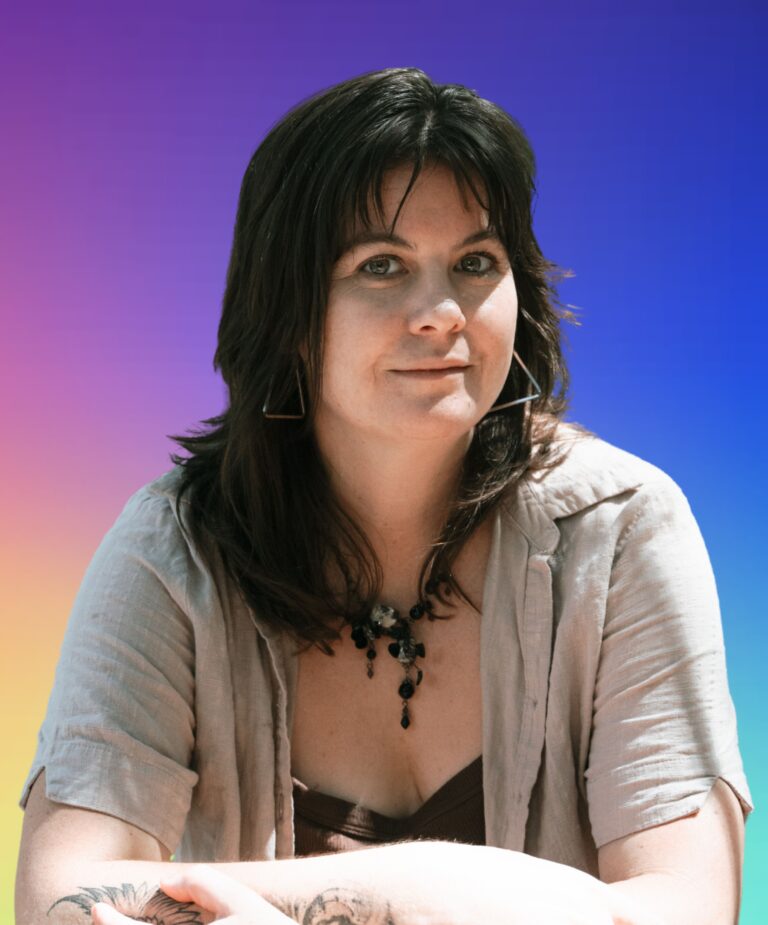
Sandra Bartlett
Mon, Tue, Thu, Fri
View profile
 Get matched
Trauma-informed, LGBTQIA+ affirming psychologists who understand trauma, including the trauma that comes from discrimination and rejection.

After a traumatic experience, it's common to feel shaken. When symptoms last or get worse, support can help.
Trauma is the lasting impact of experiences that overwhelmed your ability to cope, like violence, abuse, accidents or loss. Post-traumatic stress disorder (PTSD) is when that impact persists and affects daily life.
LGBTQIA+ people may also carry trauma from bullying, family rejection, conversion practices or discrimination. Our psychologists understand that.

Your psychologist helps you feel grounded and in control before exploring anything difficult, always at your pace.
With proven approaches, you'll process what happened and reduce how much it affects your life now.
Trauma-focused Cognitive Behavioural Therapy helps you process traumatic memories and change unhelpful beliefs.
Grounding and stabilisation skills help you manage distress and feel safe in the present.
Grounding can help when memories pull you back into the past.

Chat with a therapist, ask anything, no obligation.
Optional: see your GP for a referral to claim the Medicare rebate.
Secure video sessions from wherever you feel comfortable.
No one will push you. Your psychologist works at your pace, starting with skills to feel safe. Any trauma processing happens only when you're ready.
Sessions are $210. With a GP referral and a Mental Health Treatment Plan, you can claim a Medicare rebate and pay about $108.45 per session.
No. You only need a GP referral and a Mental Health Treatment Plan if you want to claim the Medicare rebate.
Yes. All sessions are by secure telehealth, so you can see us from anywhere in Australia.
Your first 15-minute call is free. Talk to someone who gets it.
 Call us: (02) 6190 9200hello@unboxedpride.com.au


Unboxed Pride acknowledges Aboriginal and Torres Strait Islander peoples as the Traditional Custodians of the land, and the Gadigal people of the Eora Nation, where we work. We pay our respects to Elders past and present.
Unboxed Pride is built by and for LGBTQIA+ communities and their families, with every psychologist affirming of who you are.
© 2026 UnboxedPride Pty Ltd. ABN 84 658 020 216. All rights reserved.