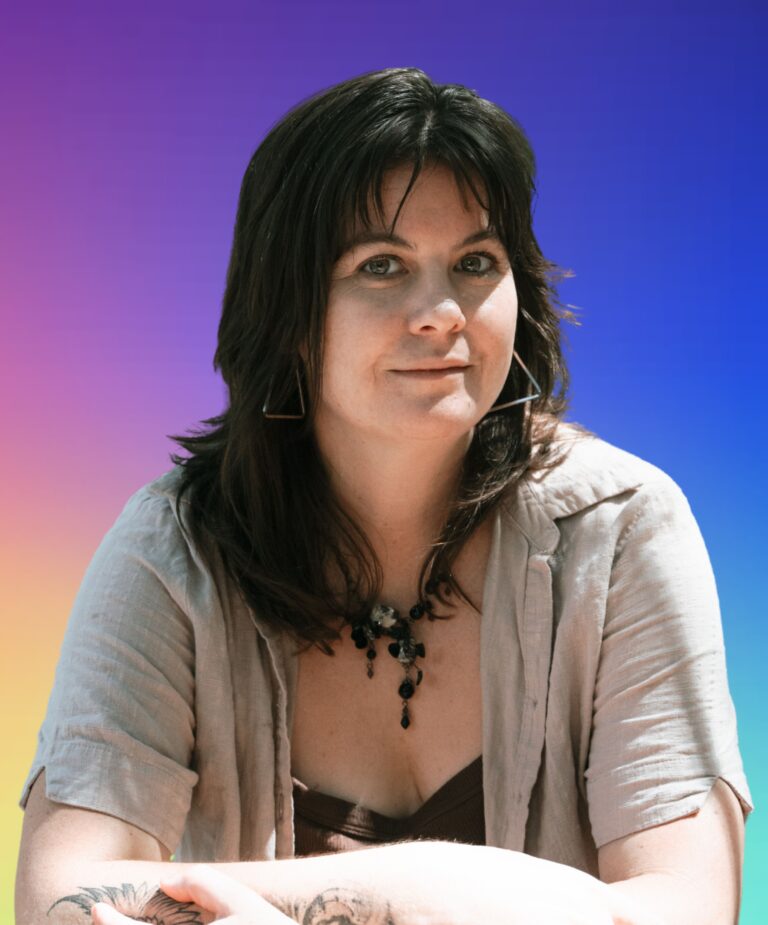
Sandra Bartlett
Mon, Tue, Thu, Fri
View profile
 Get matched
All our sessions are online, so you can start working on agoraphobia from the place you feel safest, with an LGBTQIA+ affirming psychologist.

Agoraphobia often builds slowly. You might notice the places you avoid getting bigger over time.
Agoraphobia is an anxiety condition where you fear and avoid places or situations where escape might feel hard, or help might not be available if panic hits.
Avoiding those places brings short-term relief, but it can make your world smaller over time. If you're LGBTQIA+, past experiences of feeling unsafe in public can add another layer.
The good news: agoraphobia responds well to therapy, and you can start from home.

Your psychologist meets you online, at your pace. You'll talk through what you avoid, what you fear might happen, and what you'd love to be able to do again.
Together you'll plan small, manageable steps back into the places that matter to you, with skills to handle anxiety and panic along the way.
Cognitive Behavioural Therapy (CBT) helps you understand and challenge the fears that keep agoraphobia going.
Graded exposure means gently and gradually facing situations you've been avoiding, always at a pace you agree to.
It brings your attention back to the present when panic starts to rise.

Chat with a therapist, ask anything, no obligation.
Optional: see your GP for a referral to claim the Medicare rebate.
Secure video sessions from wherever you feel comfortable.
Yes. All our sessions are online, so you can see your psychologist from home. Many people find that a comfortable place to start.
Sessions are $210. With a GP referral and a Mental Health Treatment Plan, you can claim a Medicare rebate and pay about $108.45 per session.
No. You only need a GP referral and a Mental Health Treatment Plan if you want to claim the Medicare rebate.
Yes. All sessions are by secure telehealth, so you can see us from anywhere in Australia.
Your first 15-minute call is free. Talk to someone who gets it.
 Call us: (02) 6190 9200hello@unboxedpride.com.au


Unboxed Pride acknowledges Aboriginal and Torres Strait Islander peoples as the Traditional Custodians of the land, and the Gadigal people of the Eora Nation, where we work. We pay our respects to Elders past and present.
Unboxed Pride is built by and for LGBTQIA+ communities and their families, with every psychologist affirming of who you are.
© 2026 UnboxedPride Pty Ltd. ABN 84 658 020 216. All rights reserved.